



The west of the island
Sunset Coast
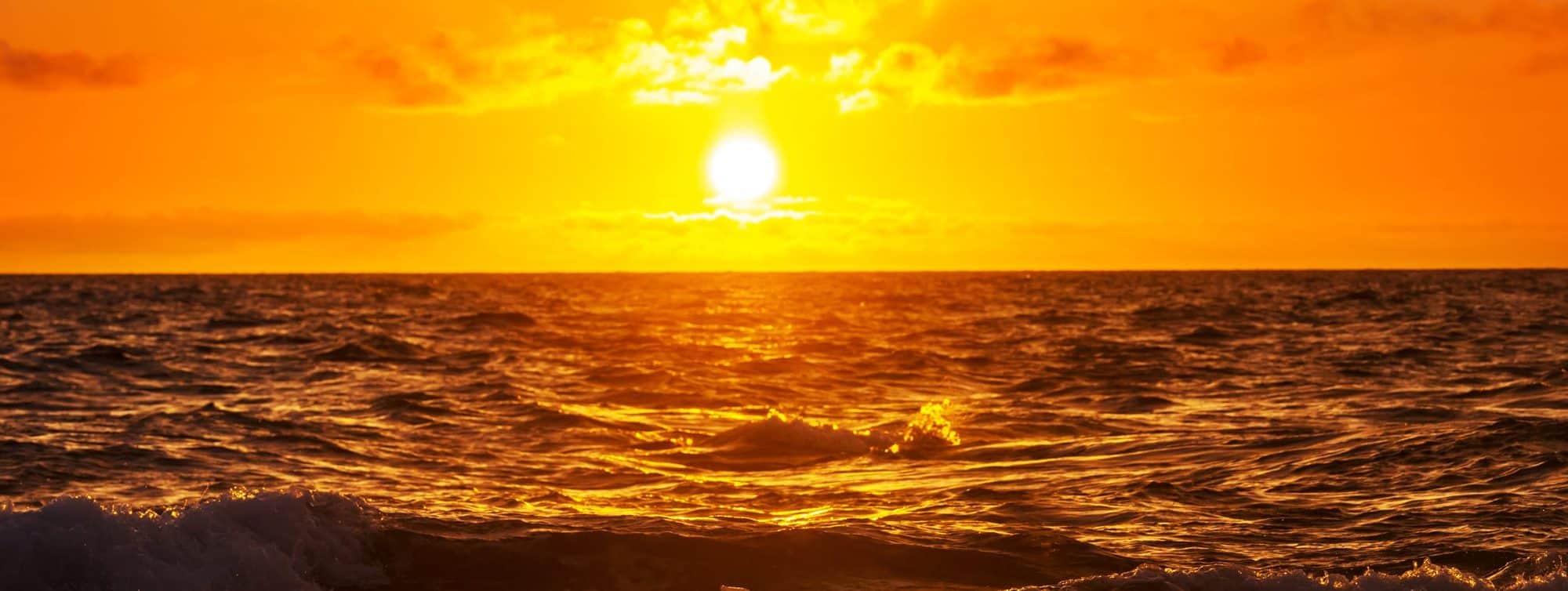
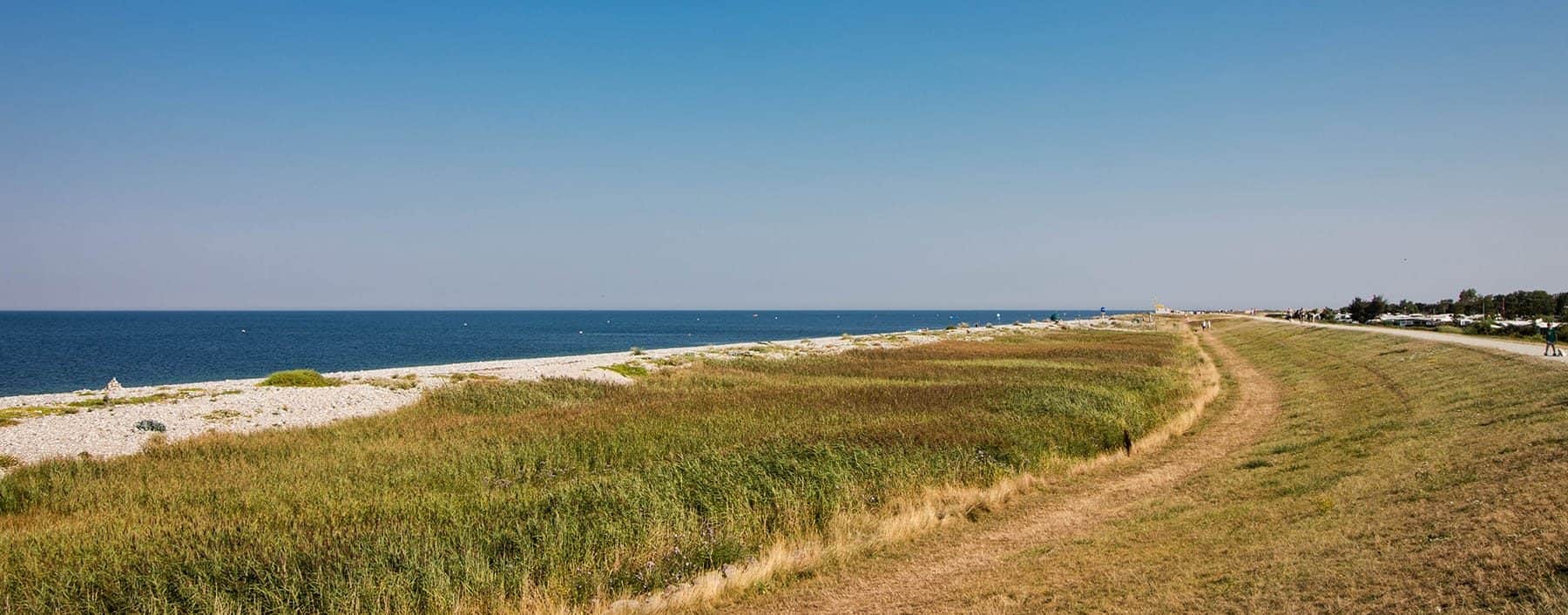
The unbuilt side of the island: reserves, salt meadows, shingle instead of a promenade. In the evening the sun goes down into the water.
The west of the islandlittle was ever built here
The west coast is the side of Fehmarn where little was ever built. No resort, no promenade, no parade of shops. Instead there is the dyke, salt meadows, shingle beach and several protected areas that almost run into one another. The best known of them sits right next to the site: the NABU waterfowl reserve at Wallnau, a stretch of shallow ponds, reeds and wet meadows. The water levels there are not left to chance; they are managed so the ground holds enough food for birds passing through in spring and autumn.
A kilometre of trail runs through the public part, ending at a tower ten metres high. From the top you can see the whole site, and because the birds are used to the tower, they stay put. Bring binoculars. Most people stay a good deal longer than they meant to.
The sea off this coast is a nature reservesince March 2026
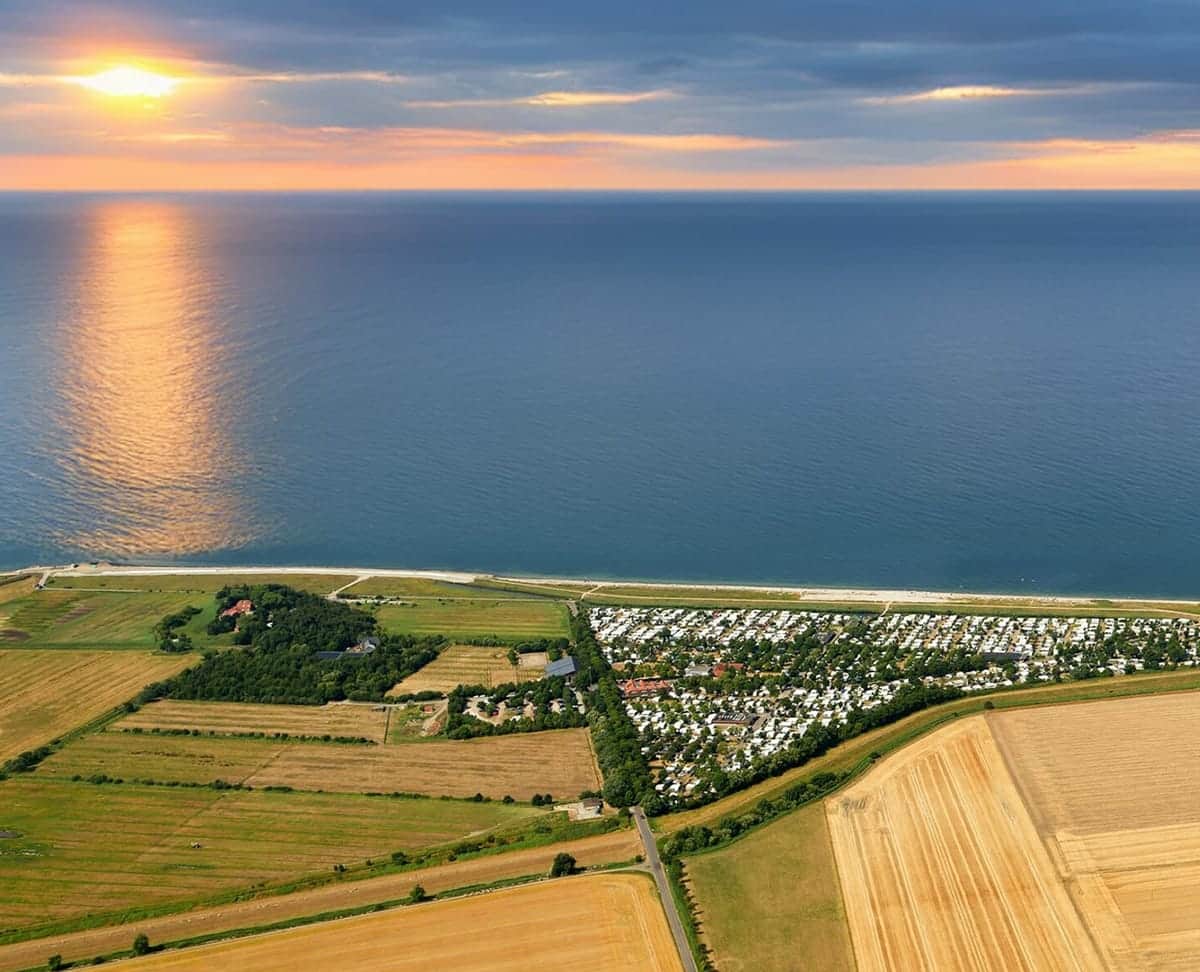
The stretch of Baltic you look out over in the evening has been called “Ostseefläche westlich Fehmarn” since March 2026 — one of three new marine reserves designated by the state of Schleswig-Holstein. Together they protect 238 square kilometres of sea, and one of them starts just off our beach.
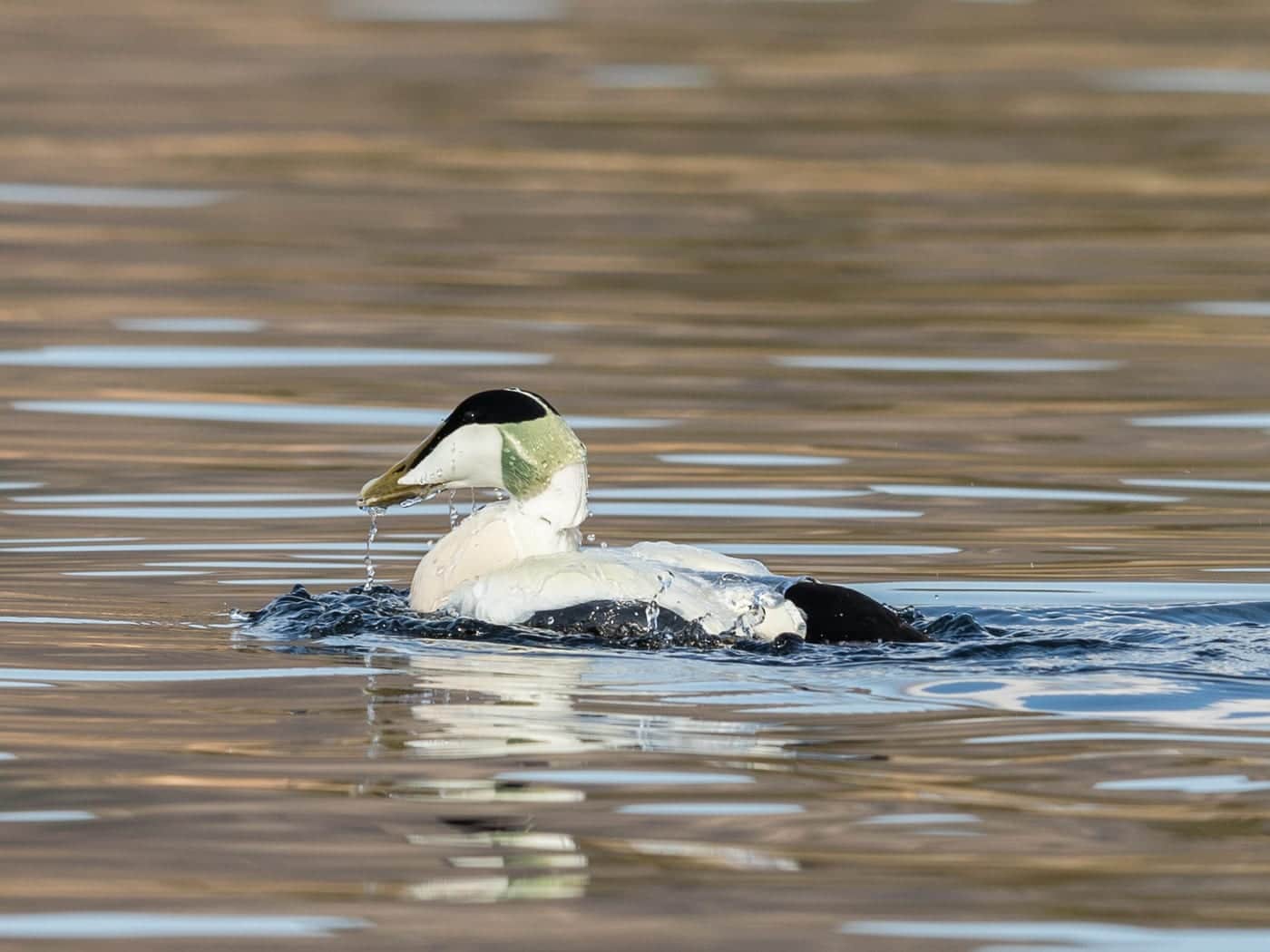
Most of what is protected is invisible from the shore: the largest continuous reef in the Schleswig-Holstein Baltic, along with mussel beds, sandbanks and seagrass meadows. Because the seabed here shelves very gently for several kilometres, up to 30,000 sea and diving ducks winter off the west coast. The common eider in the picture is one of them: the shallow water puts the mussel beds it feeds on within reach. Harbour porpoises hunt here all year round, off Fehmarn even with their calves.
None of this changes your holiday: swimming, bathing, diving and fishing from the shore with a hand line all remain allowed. What is banned is commercial fishing, extraction and construction, the things that tear up the seabed. You now swim in a nature reserve without having to do anything differently.
ostseeschutz.shBaltic Sea Protection Action Plan, state of Schleswig-Holstein (in German)
Out on the dykesea air and waves
From the site you can walk the dyke in either direction. Water on one side, salt meadows on the other, and depending on when you set off, you may not meet anyone. It is a few kilometres towards Bojendorf, where the dog beach is. The wind is usually in your face, one way at least. On the west coast that comes with the address.
Cormorants stand on the posts out in the water with their wings spread, drying their feathers. Gulls hang over the water in the wind without a single beat. Over the salt meadows in summer it is mostly oystercatchers and lapwings, which you tend to hear before you see them get up.
What stands out here is the quiet, the real kind: no rows of beach chairs, no music, no traffic. In the evening what is left is the water and the occasional bird. If you have come from a city, it usually takes a day or two before that stops feeling odd.
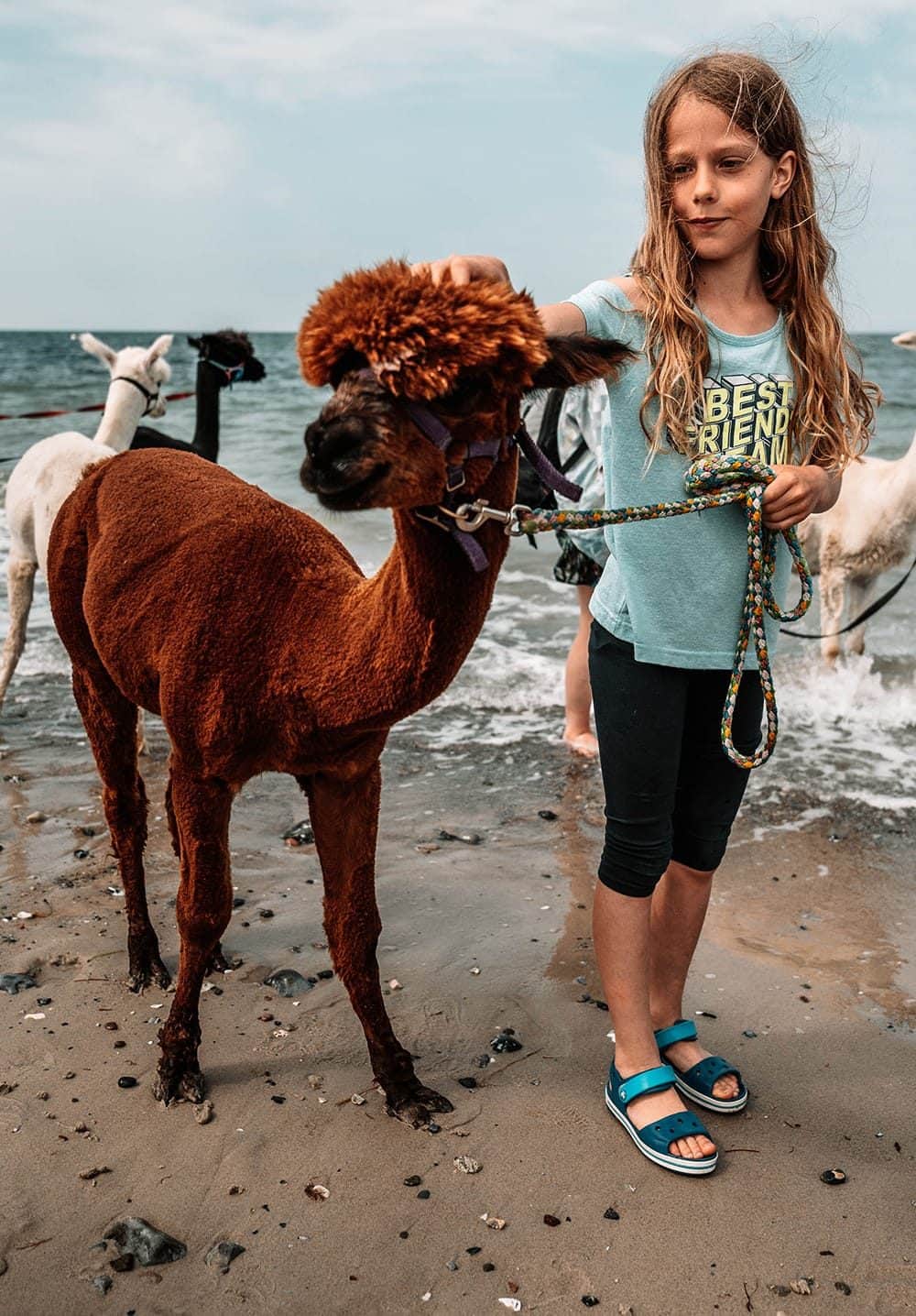
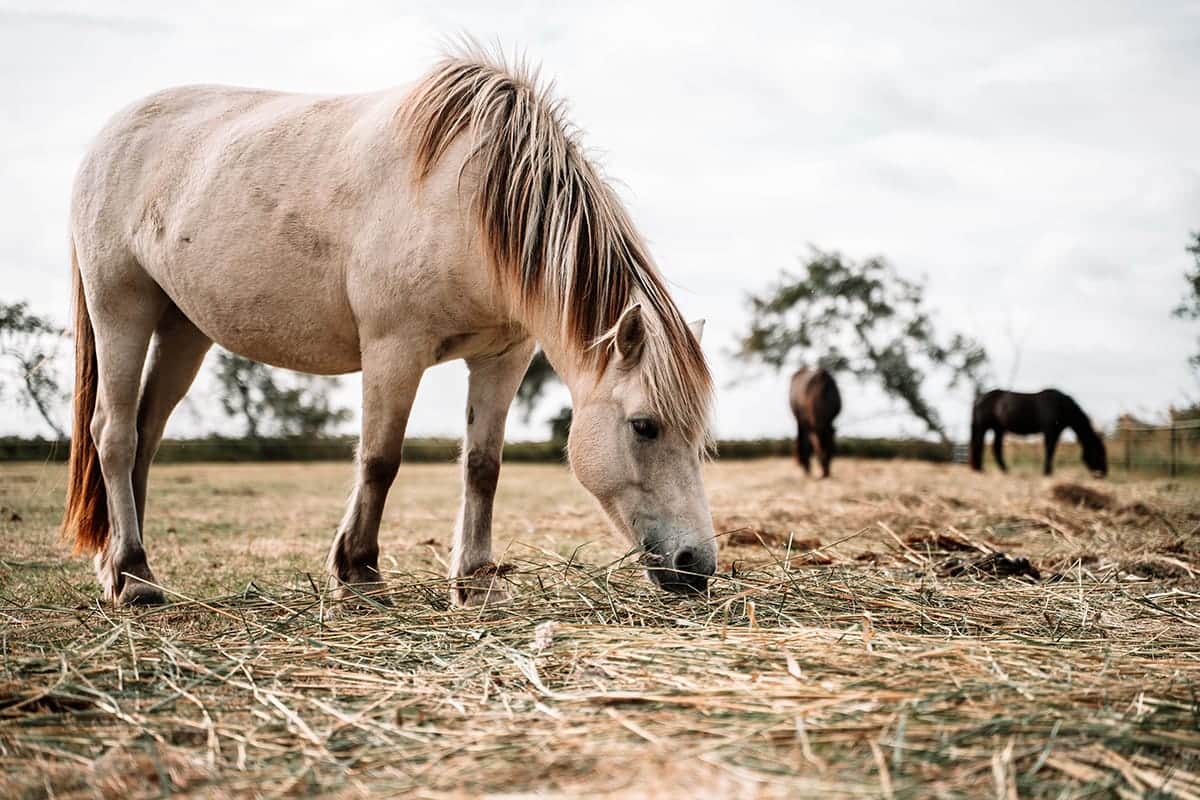
Out with the animals from the Sunset Farmalpacas, ponies, horses
- Alpaca walks and the alpaca licence
- Alpacas cannot be pulled along. Try it and you'll be standing on your own after two metres while the animal looks somewhere else. So the alpaca licence starts with the obvious things: putting on a halter, keeping the right distance, spotting when an alpaca would rather not. After that the two of you set off towards the beach, at the animal's pace. There's a certificate at the end. Like every animal on the farm, the alpacas live outdoors all year.
- Guided rides on the shingle beach
- The guided rides go at a walk along the coast, ideally late in the afternoon so you're in the saddle for the sunset. There's no cantering: the ground is shingle, and the horses know that better than any rider does. Bring sturdy shoes and gloves, because even in July the wind up front is cold. You don't need experience; the horses know the route.
- Mini rides for the first few times
- For children who have never sat on a horse there are the mini rides: one pony, someone from the farm alongside, and a walk around the yard. After the first few minutes most of them stop holding on and start talking instead. The farm books its own appointments; you can't just turn up, because the animals keep their own routine.
What you'll find herethe good bits
The sun goes down into the water
On the west coast the sun sets into the sea rather than behind houses. The clouds decide how the evening turns out: on a completely clear night it's over quickly, while low cloud sets half the sky alight. Worth planning dinner around.
Salt meadows
These flats are under salt water regularly, so only plants that can take it grow there: glasswort, sea aster, sea lavender. In late summer they turn the ground purple. Nothing is mown here, though horses do graze on it.
Quiet on the natural beach
Pebbles and stones rather than sand, and after every storm it all lies differently. There's no promenade and there are no kiosks. Beach shoes aren't a suggestion but a requirement: set off barefoot and you'll be back within a hundred metres.
Wallnau waterfowl reserve
The NABU site next door, with ponds, reeds and meadows. In spring and autumn birds stop here on migration; the rest of the year they breed, black-tailed godwit and bittern among them, species that have become scarce elsewhere.
Collecting stones on the beach
Hag stones are stones the water has drilled a hole through. Amber weighs barely more than water, so it usually sits in the washed-up seagrass rather than in the shingle. After a storm the beach gives up the most.